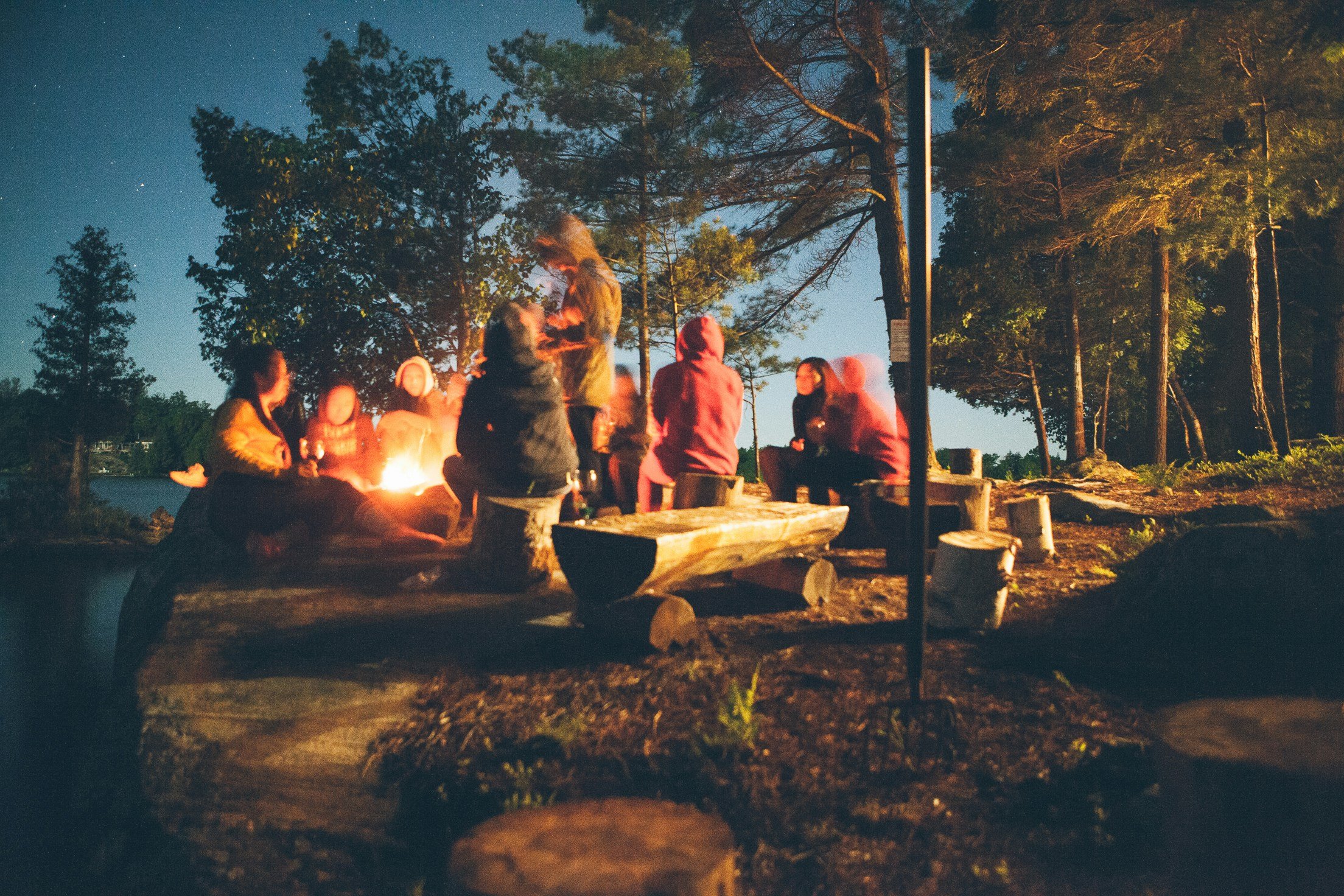
Learn how Positive Childhood Experiences (PCEs) mitigate Adverse Childhood Experiences (ACEs)
Positive Childhood Experiences (PCEs) are foundational moments in a child's life that nurture a sense of belonging, connection, and emotional well-being. These experiences, such as feeling safe, supported, and valued by family, friends, and community, play a crucial role in shaping resilience and mental health. Research shows that PCEs canprotectagainst the long-term effects of adversity, fostering the ability to cope, thrive, and build meaningful relationships throughout life. By prioritizing positive interactions and environments, we can help children grow into confident, compassionate, and capable adults.
Scroll below to learn about Positive Childhood Experiences, Healthy Outcomes from Positive Experiences (HOPE) and the 4 Building Blocks of HOPE.
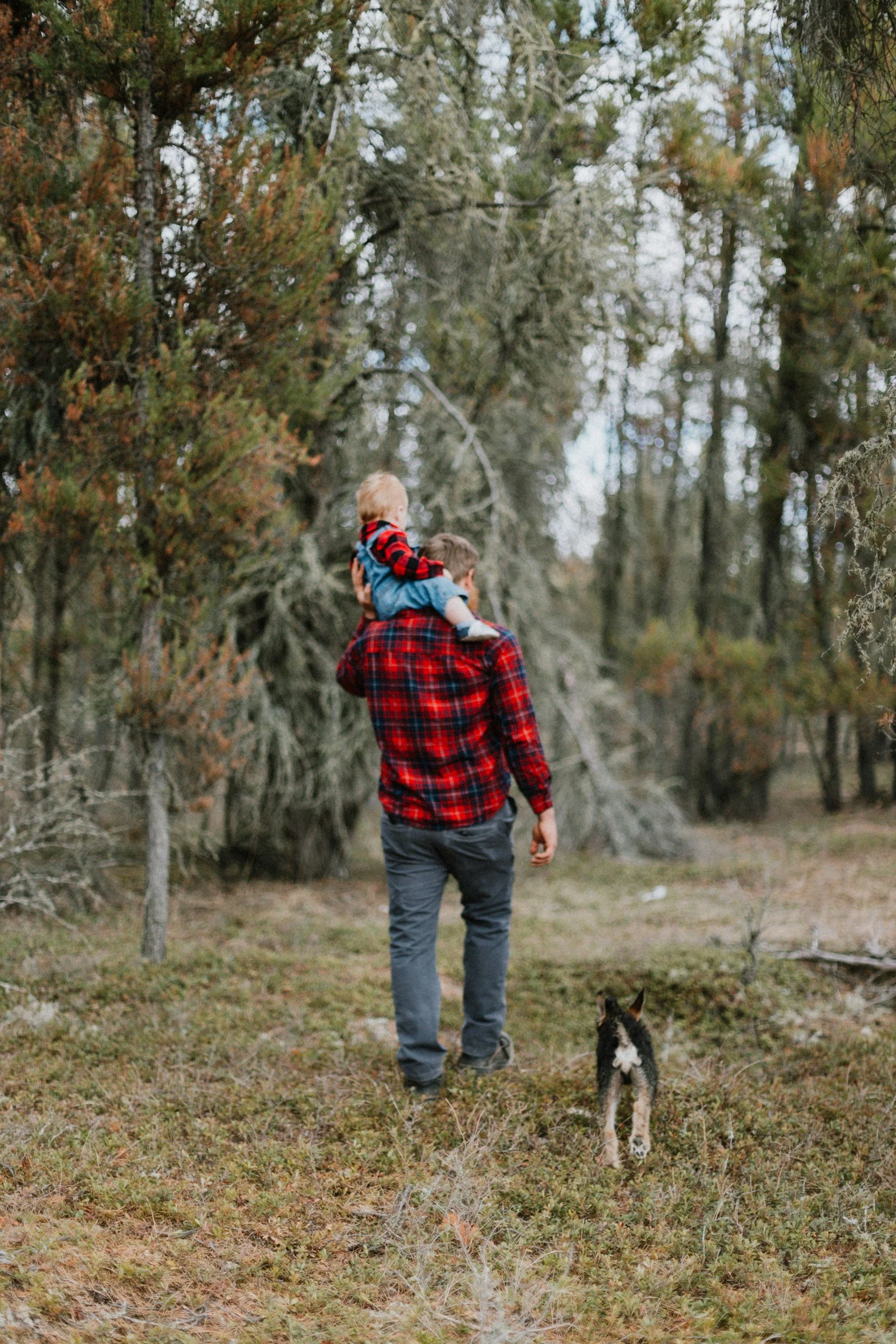
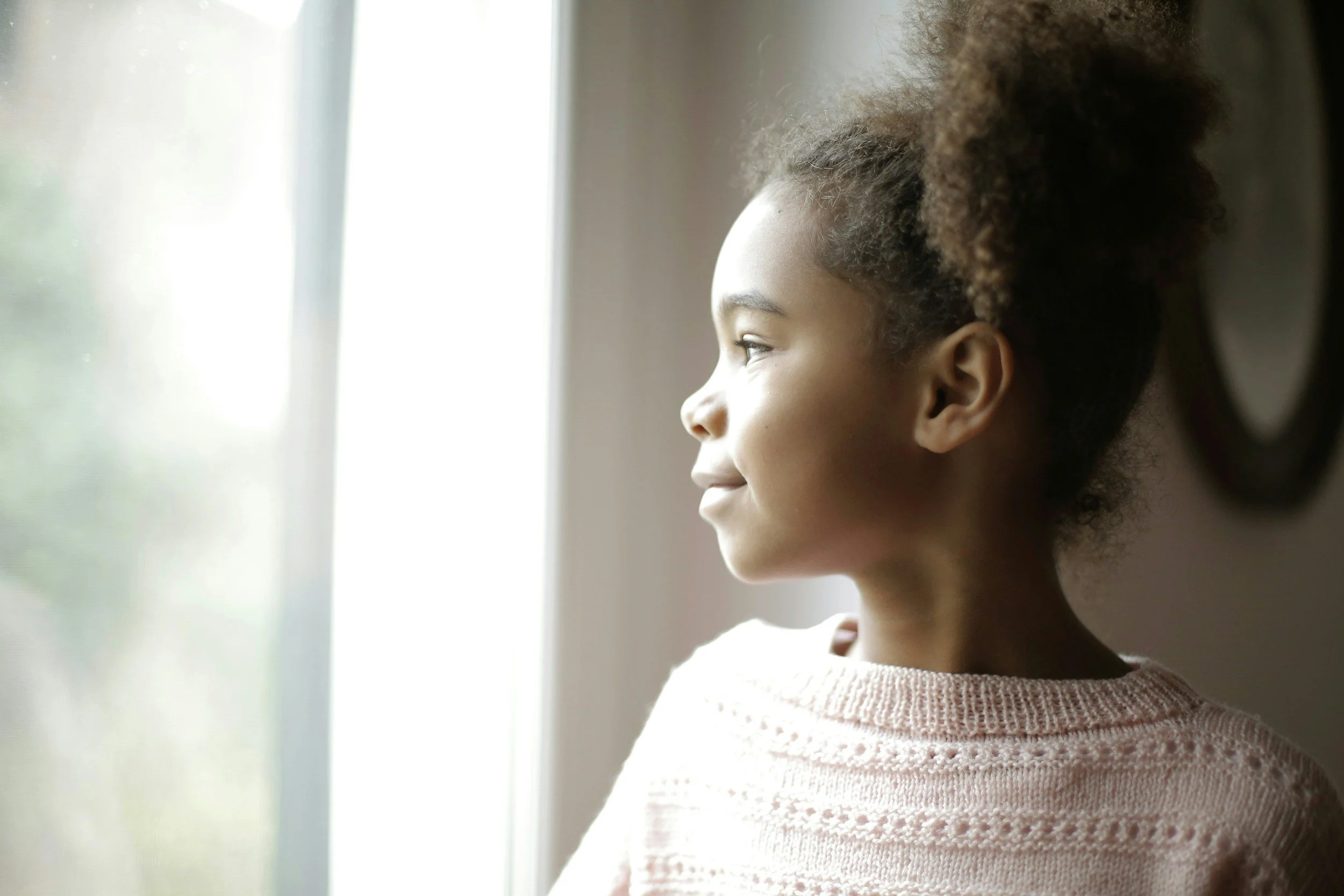
Building Block - Relationships
Relationships with other children and adults through interpersonal activities.
This building block emphasizes the importance of nurturing, supportive relationships. Early secure attachments, for example the bond between a parent and baby, are critically important to healthy development. Children also need to have supportive relationships outside of their parents and caretakers, with other adults and also with peers.

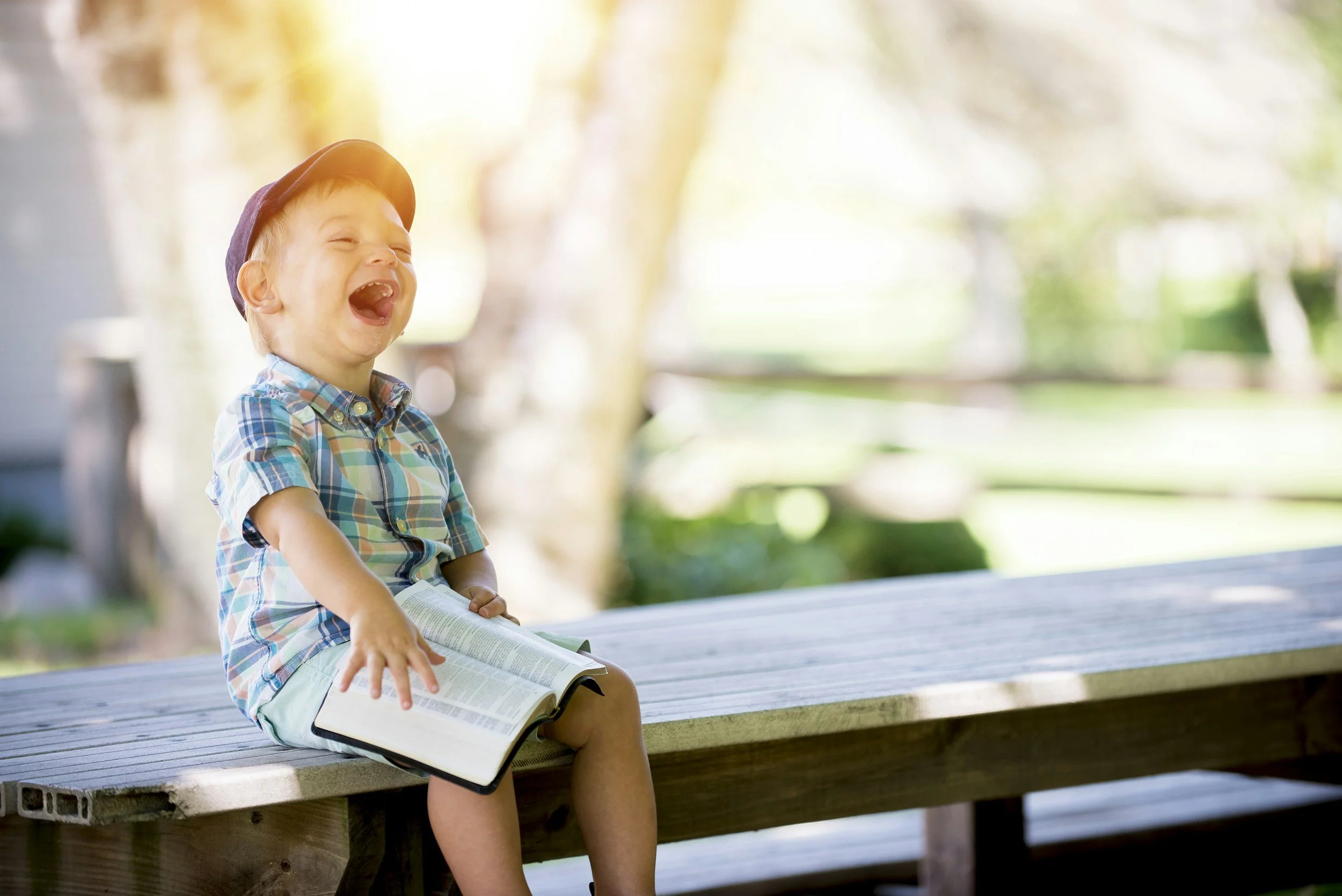
Building Block - Environment
Environment is important to ensuring safe, equitable, stable, and protective environments for living, playing, learning at home, in school and in the community
This building block captures the critical importance of basic needs like food, shelter, clothing, heat, emotional safety, ensuring children, youth, and families have safe environments to thrive.
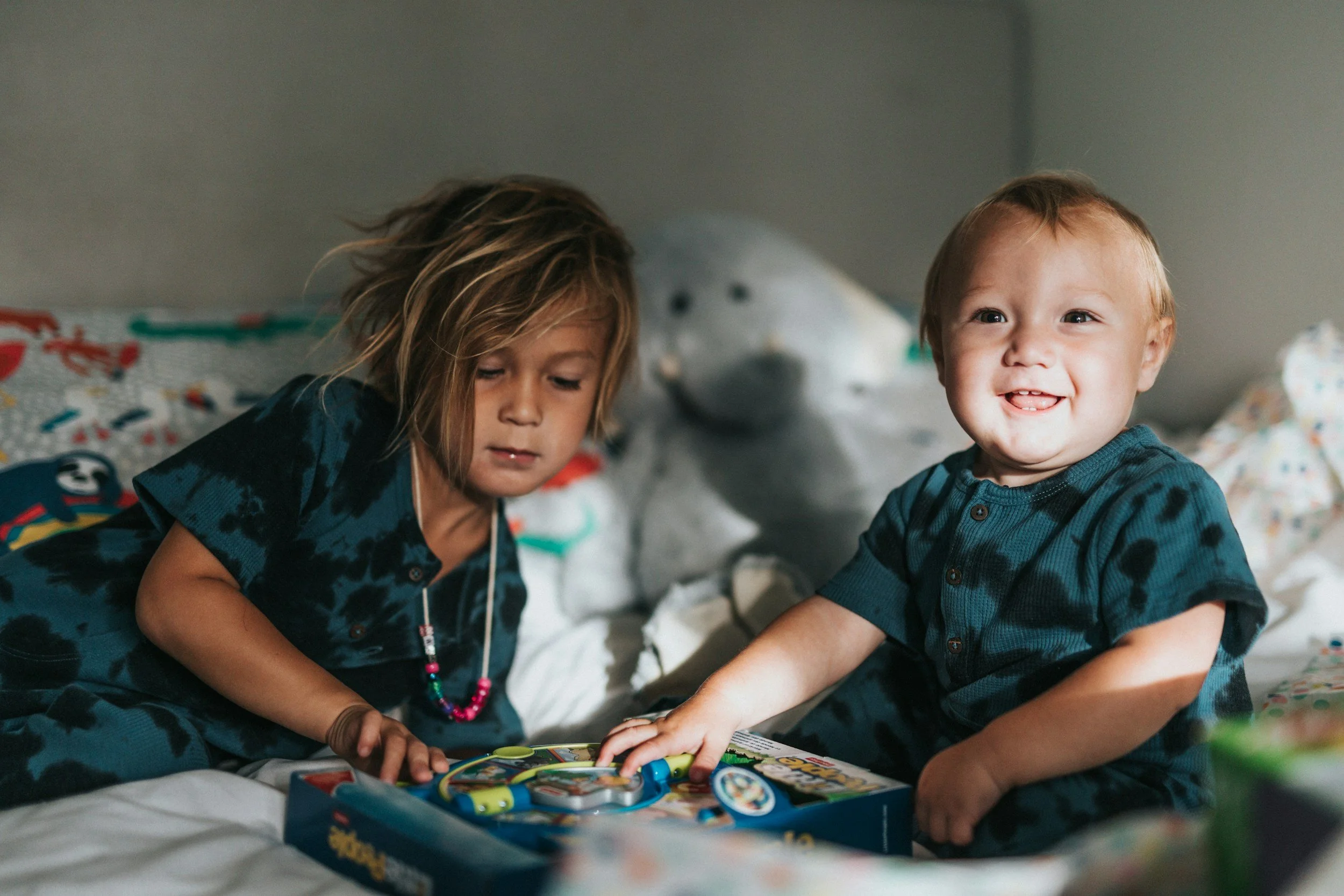
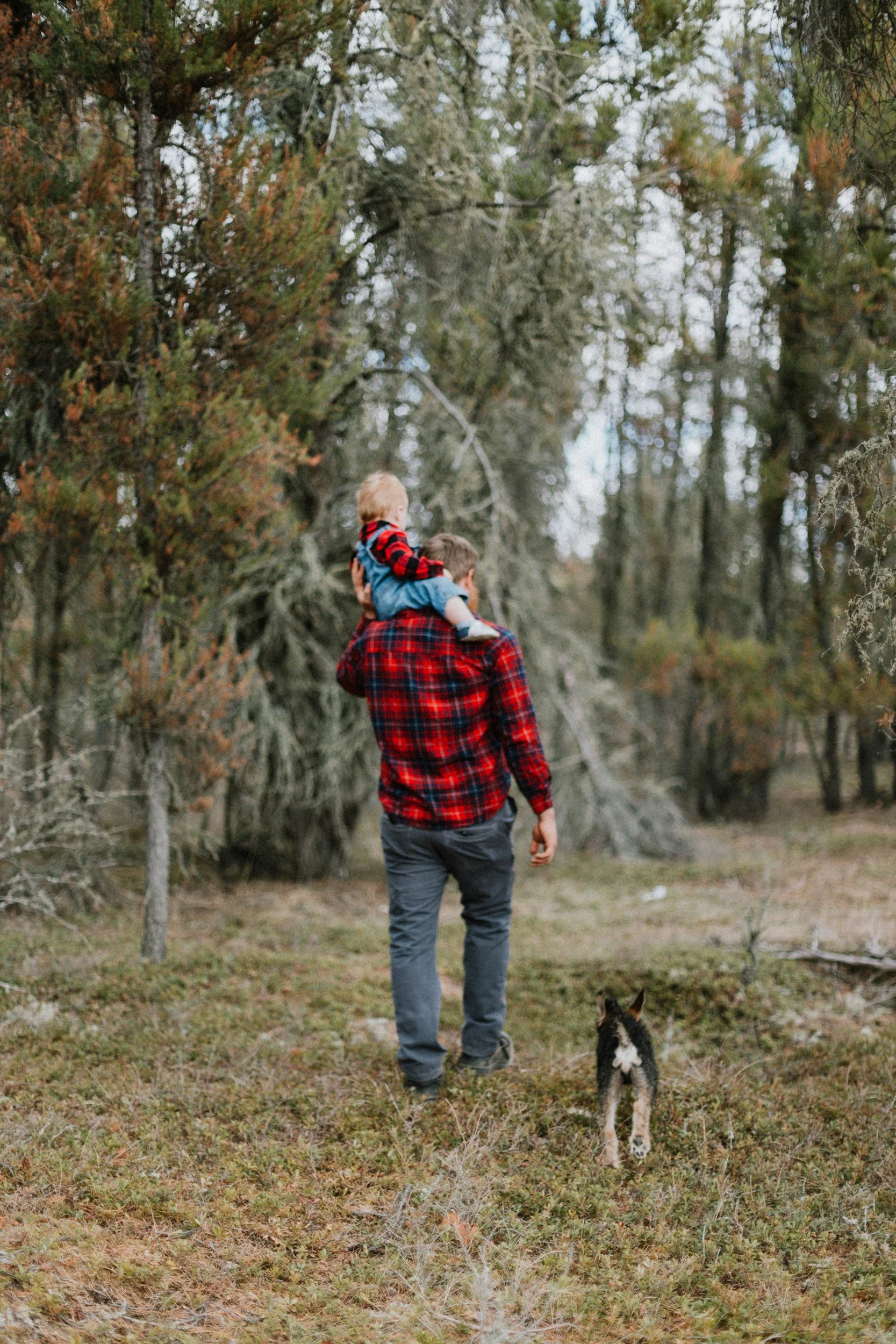
Building Block - Engagement
(Civic & Social)
Engagement is critical to supporting healthy and equitable access to social and civic engagement to develop a sense of belonging and connectedness in the home, with peers and the community as a whole.
Children need to feel that they belong and that they matter to the people and communities around them. This idea that they are part of something bigger than themselves can help create a sense of purpose and mattering.
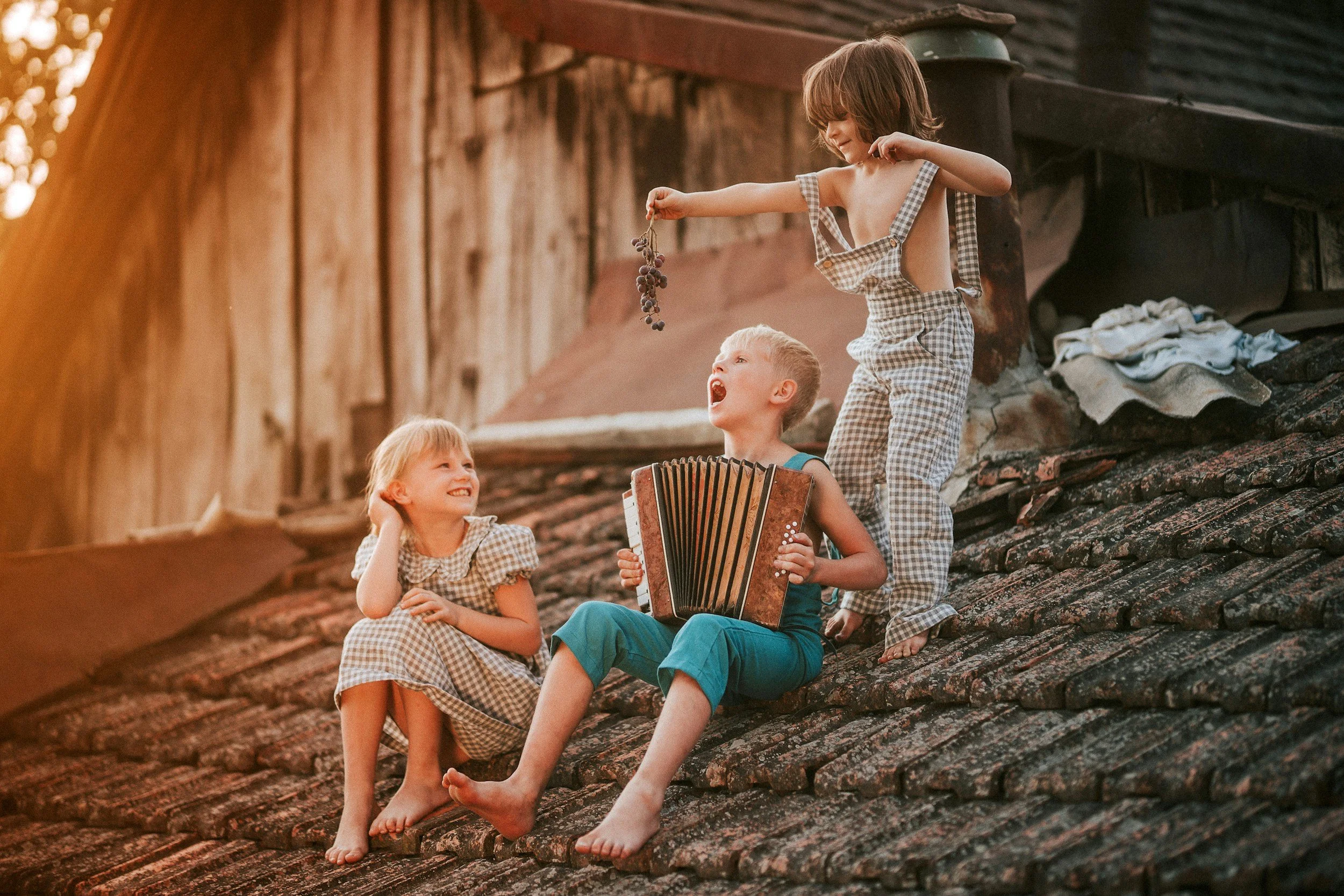
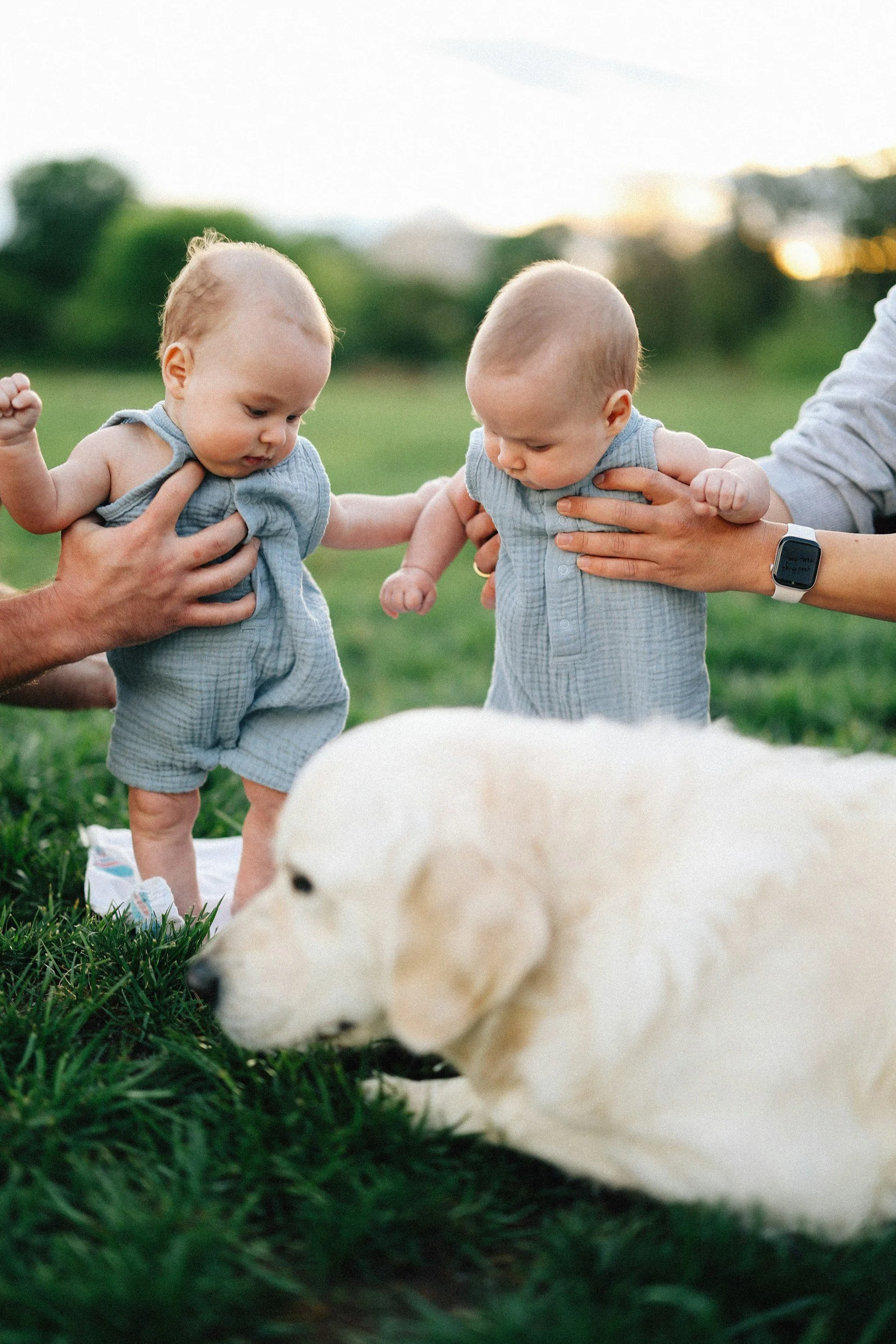
Emotional Growth is essential to children learning safe and healthy interactions and responses through playing and interacting with peers for self-awareness and self- regulation.
Children need to develop social and emotional competencies which will allow them to constructively navigate adversity and challenges. While this often happens through unstructured playtime with peers, it also occurs through interactions with adults who can help identify and name emotions and model appropriate reactions to challenging situations.
Building Block - Emotional Growth
Healthy Outcomes from Positive Experiences
(HOPE) Introduction Video
If you are interested in a HOPE/PCEs training in Nevada County, please email alyssa@childabusepreventionwnc.org as she is a certified HOPE and PCEs Facilitator/Trainer since 2022.