Child Abuse Prevention!
Ways Parents Can Prevent Child Abuse & Neglect
For parents and caregivers
1. Build Strong, Positive Relationships
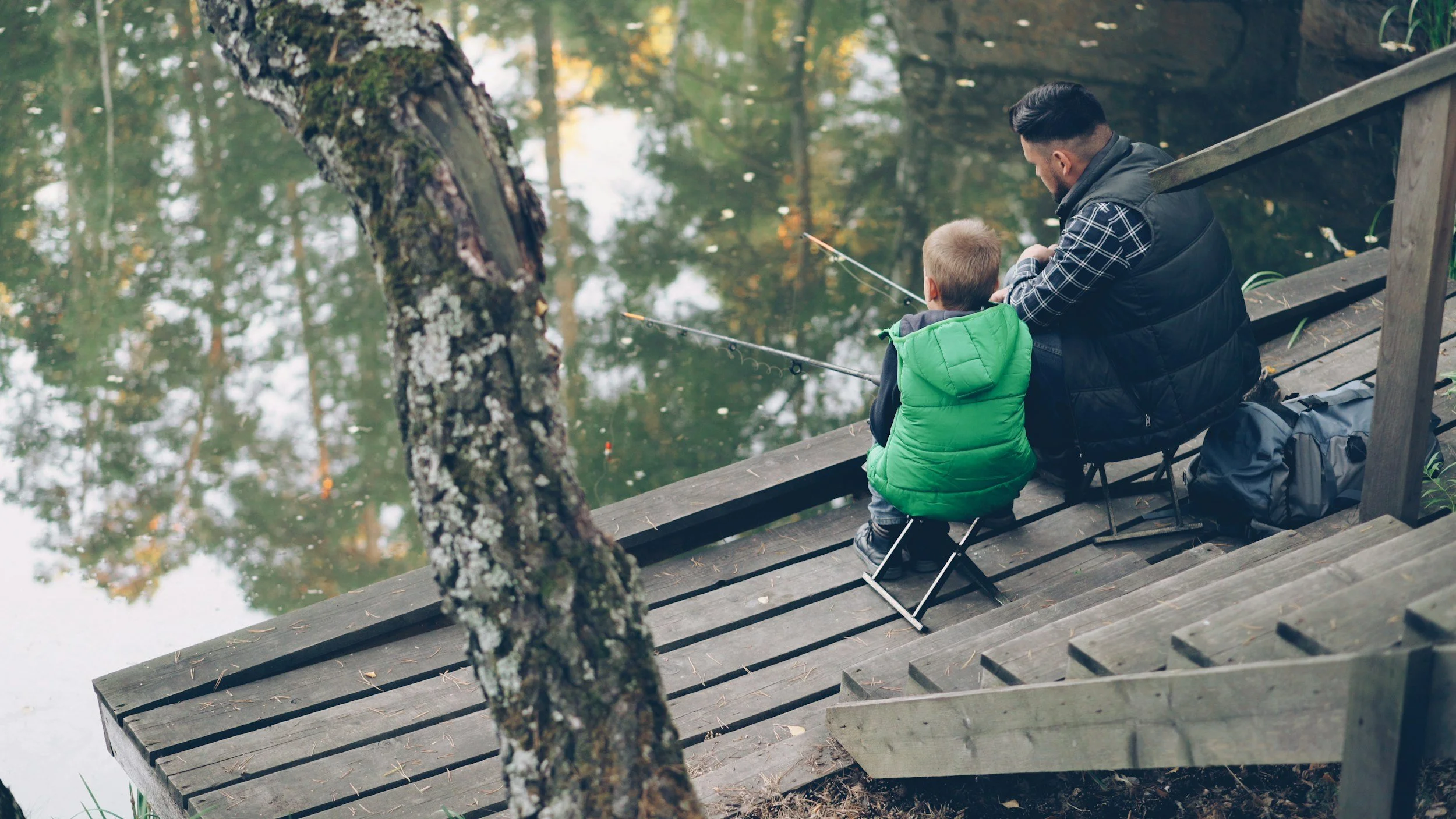
Spend regular quality time with your child. (reading a book, play a game, go on a nature walk, etc.)
Offer consistent love, attention, and reassurance.
Learn your child’s cues and respond to their needs promptly.
2. Practice Positive Discipline
Use age-appropriate expectations.
Redirect behavior instead of punishing harshly.
Use natural and logical consequences.
Praise positive behavior frequently.
3. Strengthen Parenting Skills
Attend parenting classes, workshops, or support groups.
Ask for help when you need it, parenting is hard and no one should do it alone.
Learn about child development to understand what behaviors are normal for each age.
4. Manage Stress in Healthy Ways
Take breaks when you feel overwhelmed.
Reach out to friends, family, churches, or professionals for support.
Use stress-reducing activities like walking, deep breathing, journaling, or talking to someone you trust.
5. Create a Safe, Stable Home Environment
Establish family routines (meals, bedtime, schoolwork).
Ensure safe storage of medicines, cleaning supplies, weapons, and unsafe objects.
Provide consistent rules and boundaries.
Educate yourself on water safety and create a water safety plan (wear life jacket at all times when near water.)
Educate yourself on hot cars, never leave your child in a hot car, even for a spilt second.
6. Cultivate a Strong Support Network
Connect with other parents.
Build relationships with neighbors, teachers, and community organizations.
Ask trusted friends/family for help with childcare when needed.
7. Monitor Your Child’s Safety
Know who is around your child—friends, relatives, caregivers, and adults.
Teach children about body safety, boundaries, and the importance of telling an adult if they feel unsafe.
Supervise digital and online interactions.
8. Prioritize Your Own Well-Being
Seek help for mental health or substance use concerns.
Make time for self-care routines.
Sleep, eat, and rest as needed to stay emotionally regulated.
Go to the gym or go for a walk outside.
9. Foster Open Communication
Encourage children to talk about their feelings and experiences.
Listen non-judgmentally.
Validate their emotions and help them problem-solve safely.
10. Access Community Resources
Utilize family support programs, childcare resources, and counseling services.
Get connected to food, housing, and financial assistance programs if needed.
Reach out to local child abuse prevention councils or family resource centers.
11. Model Healthy Relationships
Show your child what respectful communication looks like.
Resolve conflicts calmly and constructively.
Avoid exposing children to violence or unsafe adult behavior.
12. Know When to Ask for Help
Recognize signs that you’re overwhelmed.
Reach out early, prevention starts with support.
Don’t be ashamed to ask for help.
Emergency support is available if you ever feel at risk of harming yourself or your child.
Ways Everyone Can Help Prevent Child Abuse & Neglect
For everyone
1. Build Strong Connections with Families
Check in regularly with friends, neighbors, and relatives who are raising children.
Offer a listening ear without judgment.
Celebrate their parenting successes and encourage them during challenges.
2. Offer Practical Support
Provide help when you see a caregiver overwhelmed (e.g., running an errand, bringing a meal, offering short breaks, be a listening ear).
Share local resources such as food banks, childcare referrals, or parenting classes.
3. Be a Supportive Adult for Children
Show positive interest in the children around you.
Learn their names, greet them kindly, and be a safe, trusted adult.
Support mentoring programs in your community.
4. Learn About Child Development
Learn what behaviors are age-appropriate to avoid unrealistic expectations of children.
Share this knowledge with others in compassionate ways.
5. Speak Up When You See Red Flags
If you see signs that a child or parent is struggling, don’t ignore it.
Start by offering support: "Is there anything I can help with?"
If you suspect abuse or neglect, follow your state’s reporting guidelines.
6. Reduce Stress in the Community
Advocate for family-friendly policies (flexible schedules, childcare access, mental health services).
Support community spaces and programs that give families safe places to gather.
7. Promote Positive Parenting
Share resources and messages about nurturing, nonviolent discipline, and the importance of parent self-care.
Encourage parents to ask for help without shame.
8. Volunteer or Donate
Support local child advocacy centers, parenting resource centers, shelters, and youth programs.
Volunteer for events, mentorship programs, or as a community helper.
9. Be a Positive Social Influence
Model healthy communication, kindness, and conflict resolution.
Normalize asking for help and supporting mental health.
10. Educate Yourself & Others
Participate in Child Abuse Prevention Month activities.
Share information on social media that promotes protective factors and child well-being.
11. Support Families Experiencing Hardships
Offer help without judgment to families dealing with unemployment, illness, crisis, or other stressors.
Connect them to local support services.
12. Celebrate and Support Caregivers
Acknowledge that parenting is hard.
A small compliment or act of appreciation can reduce stress and build confidence.