
What is Child Abuse?
It shouldn’t be scary or hurt emotionally, mentally, or physically to be a child!
-
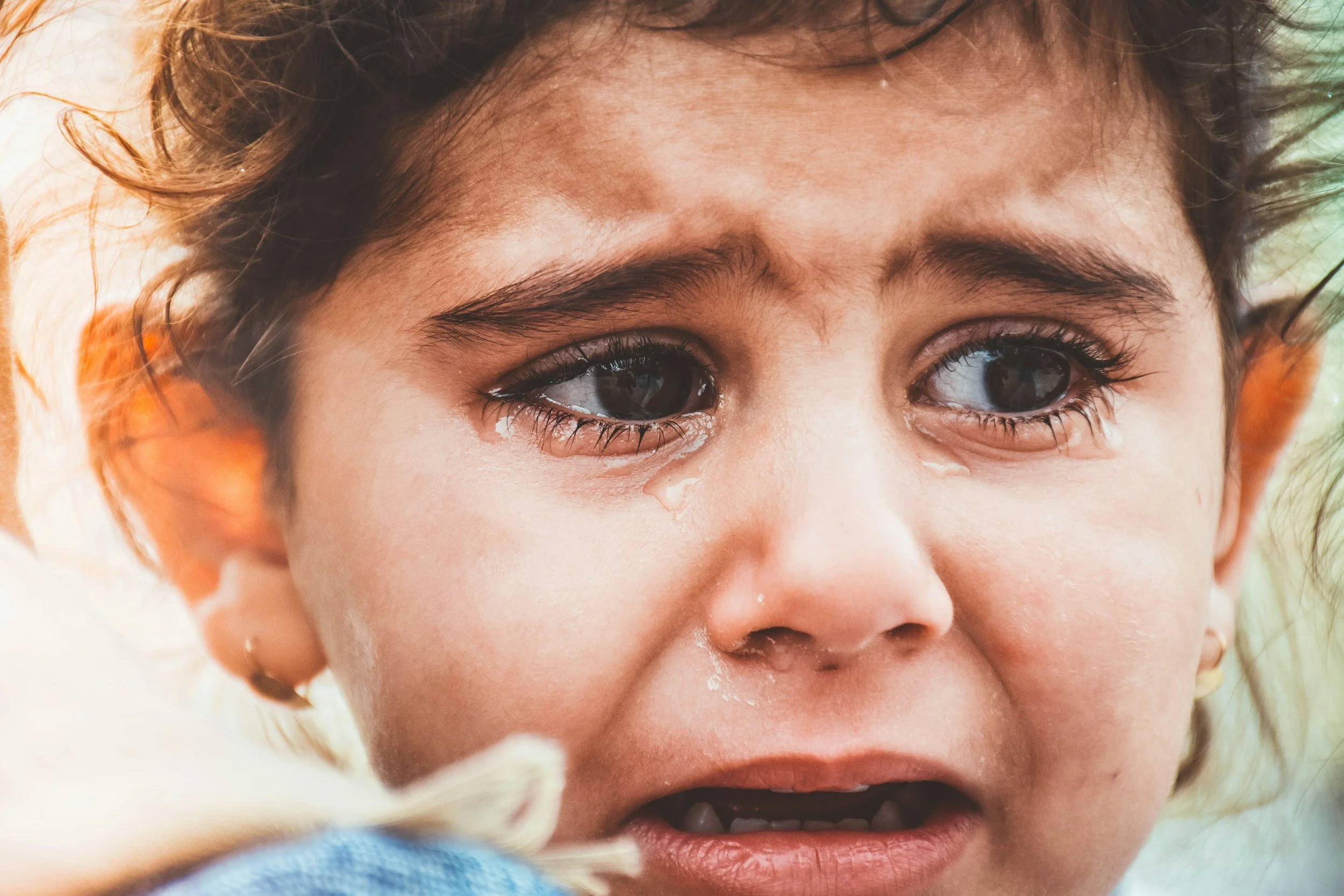
Emotional Abuse
Emotional abuse refers to behaviors that harm a child's self-worth or emotional well-being. Examples include name-calling, shaming, rejecting, and withholding love.
Citation: Welf. & Inst. Code § 300; Penal Code § 11165.05
-
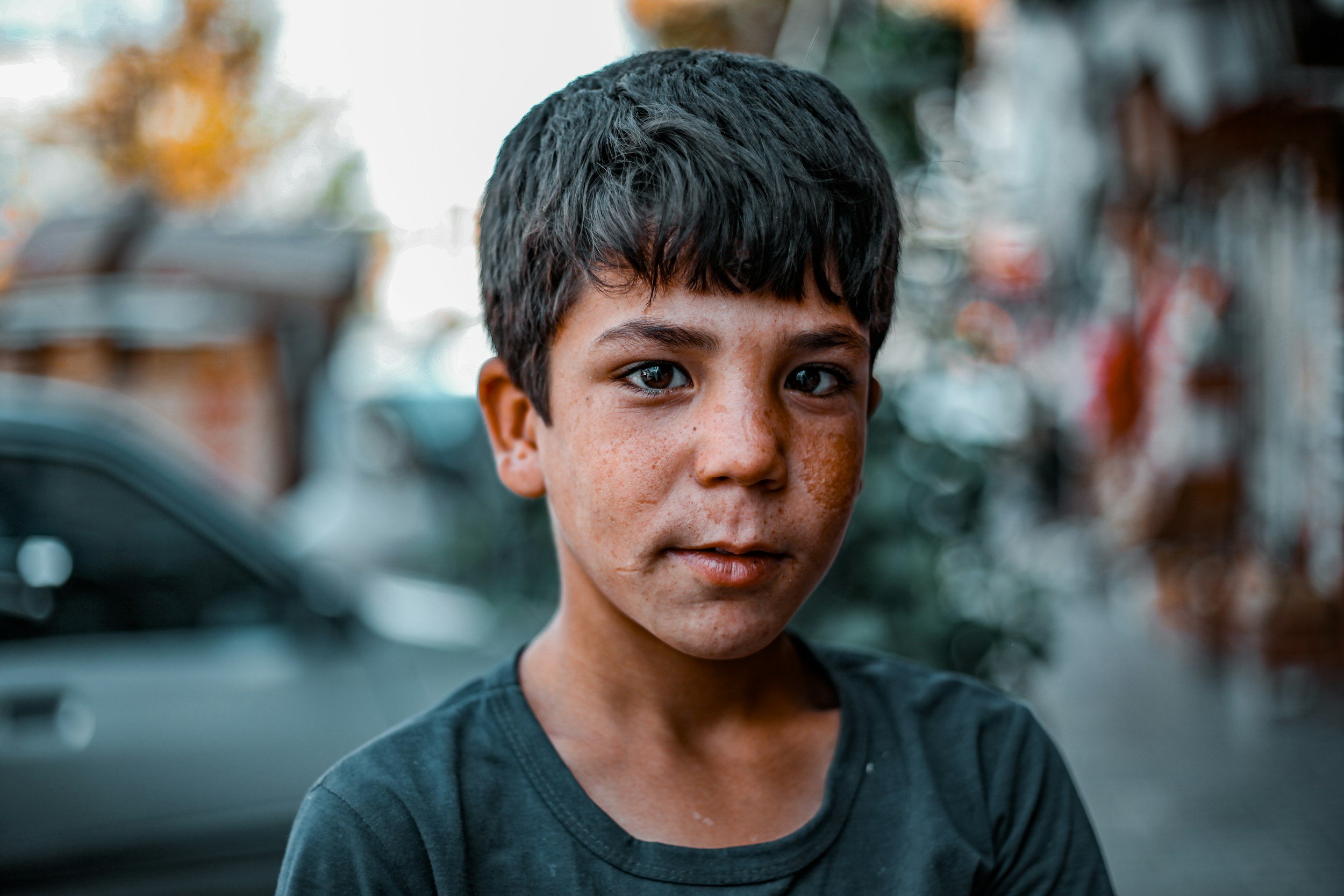
Abusive Head Trauma/Mental Abuse
Add a blurb Abusive head trauma, including shaken baby syndrome, is a severe form of child abuse that results in a brain injury.
It often happens when a parent or caregiver becomes angry or frustrated because of a child's crying. It is caused by violent shaking and/or with blunt impact. The resulting injury can cause bleeding around the brain or behind the eyes.
-
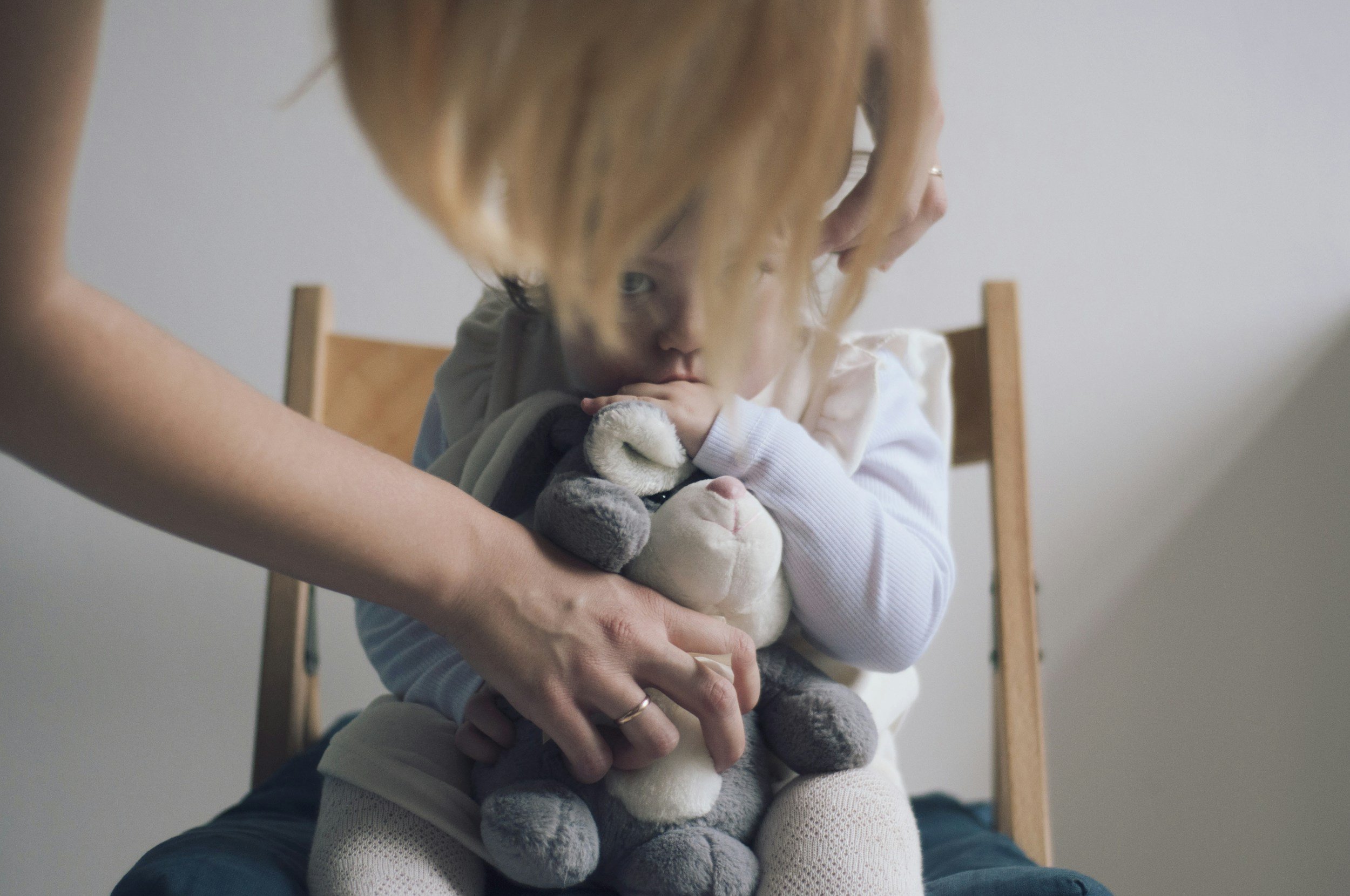
Physical Abuse
Physical abuse is the intentional use of physical force that can result in physical injury. Examples include hitting, kicking, shaking, or other shows of force against a child.
Citation: Welf. & Inst. Code § 300; Pen. Code § 11165.6
-

Sexual Abuse
Sexual abuse refers to any completed or attempted sexual acts or sexual contact with a child by a caregiver. Examples include fondling, penetration, and exposing a child to other sexual activities. Read more information about child sexual abuse.
Citation: Welf. & Inst. Code § 300; Penal Code § 11165.1
-

General Neglect
General Neglect means the negligent failure of a person having the care or custody of a child to provide adequate food, clothing, shelter, medical care, education or supervision where no physical injury to the child has occurred.
Citation: Welf. & Inst. Code § 300; Pen. Code § 11165.2
-

Caregiver Absence
Caregiver Absence refers to the situation where a child's parent is unable to provide care due to various reasons such as incarceration, institutionalization, or other circumstances that prevent the parent being able to care for their child(ren) and/or arranging for the child's care.

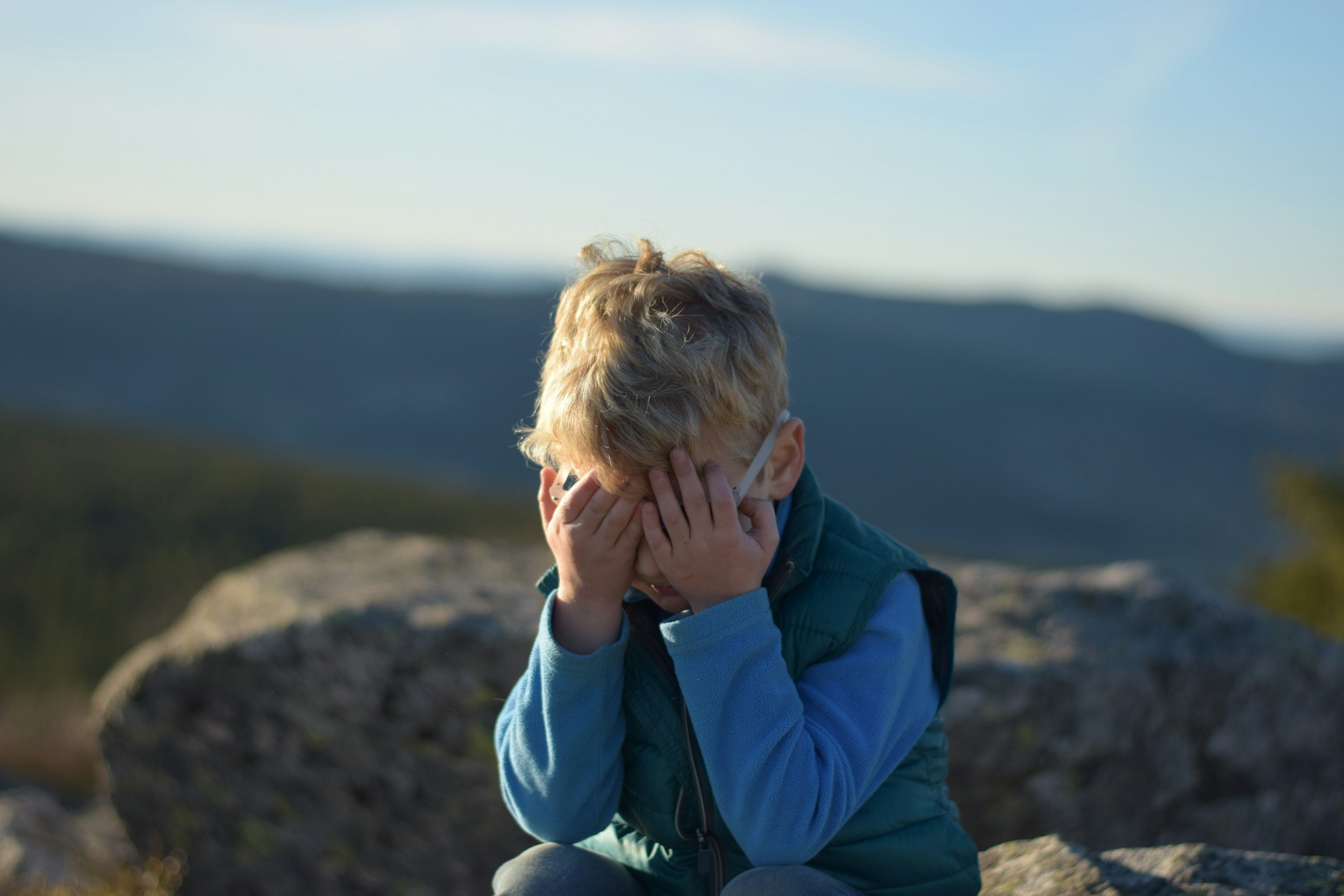
Even small actions can make a big difference. Here’s how you can help:
Offer support to overwhelmed parents -whether it’s babysitting for a few hours, helping with daily chores, helping to get to appointments, school, or work, or helping to meet the family’s basic needs.
Be there to listen - sometimes, just lending an ear to a parent or child in distress can provide much-needed relief.
Support community resources- contribute to or volunteer with programs that provide childcare, parenting education, family counseling, and child/family safety services, or various child, youth, family serving non-profits.
Reach out for help- contact a Parental Stress program for support and resources:
call 2-1-1.
If You Suspect Child Abuse:
If you suspect child abuse or neglect, please contact Nevada Child Welfare Services at (530) 273-4291 or dial 911.
In an emergency, always call 911 to get immediate help from law enforcement.
For non-emergency situations, report your concerns to the Child Abuse and Neglect Hotline in Nevada County (530) 273-4291 or dial 911.
We All Have a Role in Preventing Child Abuse
Nevada County Child Welfare Data for 2025 - not yet available. Coming soon!
Understanding the Impacts and Consequences of Child Abuse
Child abuse can have profound and lasting effects on a child’s emotional, psychological, and developmental well-being. In abusive environments, children often face unrealistic expectations and harsh treatment that can severely impact their sense of self and ability to thrive.
Unrealistic Expectations:
Children in abusive homes are frequently expected to behave in ways beyond their developmental capacity. Age-appropriate behaviors may be misinterpreted as defiance or misbehavior.
Inappropriate Punishment: Abusive caregivers may punish children for actions they are not yet developmentally capable of controlling, rather than guiding or teaching appropriate behavior.
Lack of Positive Guidance: Many abusive parents or caregivers are unaware that teaching and modeling desired behaviors is essential. Simply punishing undesirable behavior does not teach a child what is expected.
Misplaced Anger: Abuse often stems from the parent or caregiver’s own emotional distress, such as anger or unhappiness. These emotions may be taken out on the child, regardless of the child’s actual behavior.
As a result, abused children or youth may:
Develop a sense of low self-worth, believing they have little or no value.
Feel powerless, believing their actions have no positive effect on the world around them.
Experience persistent feelings of anger, sadness, or depression.
Self-harm or suicidal ideation.
Relationships, generational trauma, and negative community impacts.